Can You Drive With a Transmission Leak?
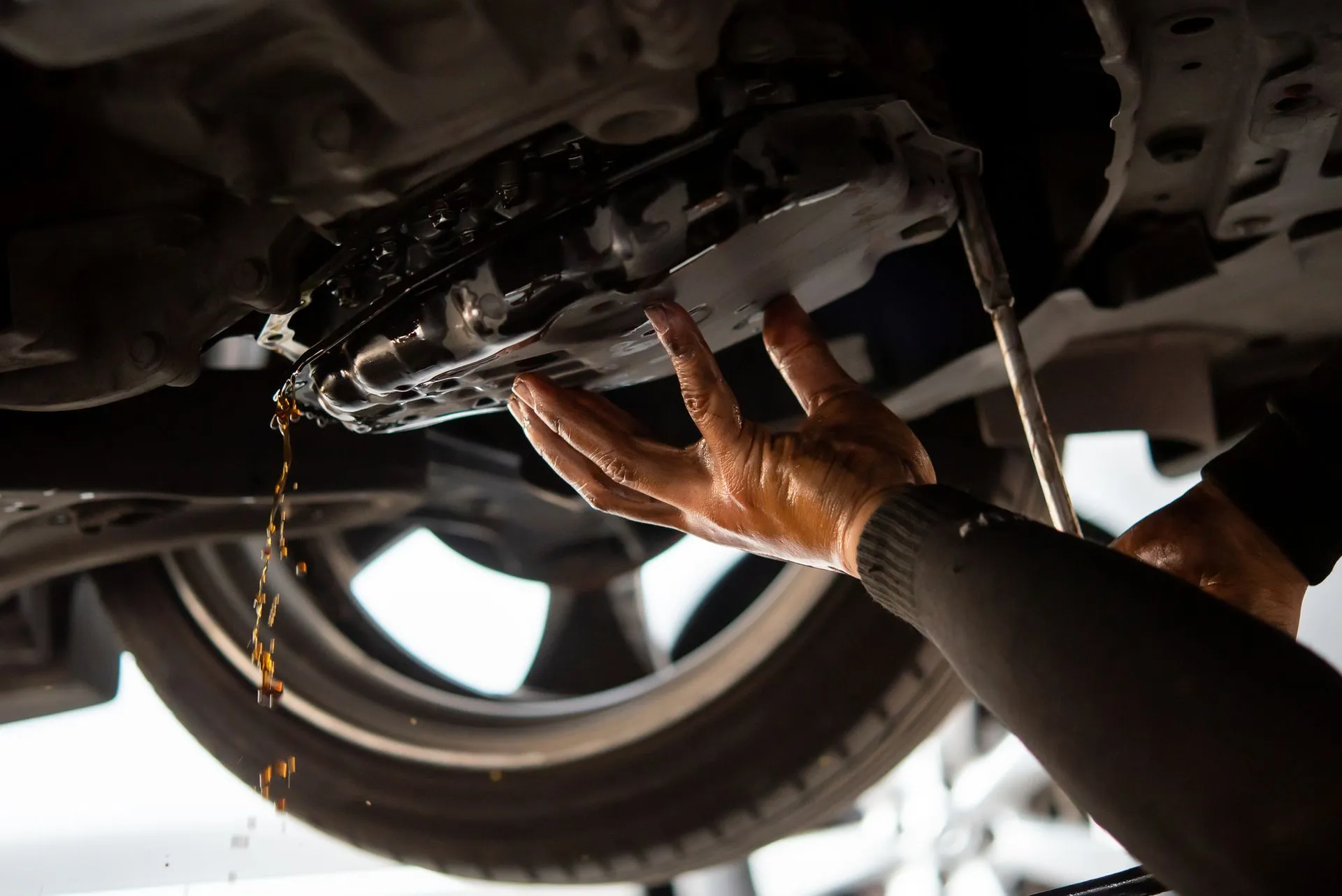
A transmission leak is one of those problems that looks harmless at first. A small red or brown spot on the driveway. A faint smell after driving. Nothing dramatic. Nothing urgent — or so it seems.
But if you’re driving in Nashville, Franklin, Antioch, or Brentwood, continuing to drive with a transmission leak is one of the fastest ways to turn a manageable repair into a major failure. Transmission fluid doesn’t just lubricate parts. It’s essential to pressure, cooling, and gear engagement. When it leaks, the entire system is at risk.
Why Transmission Fluid Is So Critical
Transmission fluid is responsible for creating the hydraulic pressure that allows gears to engage smoothly. It also absorbs heat, reduces friction, and protects internal seals and clutches from wear. When fluid levels drop, even slightly, the transmission begins to struggle.
At first, the effects may be subtle. Shifts feel less crisp. Acceleration feels delayed. Over time, heat builds internally, seals harden, and components wear at an accelerated rate. This is why driving “just a little low” on fluid is far riskier than many drivers realize.
How Driving With a Leak Leads to Transmission Slipping
One of the most common consequences of a transmission leak is slipping. As fluid pressure drops, the transmission can no longer keep internal clutches fully engaged. The engine revs, but the vehicle hesitates. Gears may disengage unexpectedly or surge after a delay.
If that sounds familiar, this related guide explains the issue in more depth:
👉 What It Means When Your Transmission Is Slipping
https://musiccityautorepairberryhill.com/transmission-repair/what-it-means-when-your-transmission-is-slipping-nashville-tn/
Once slipping begins, damage is already underway.
Why Short Trips Still Cause Damage
Many drivers assume short trips are safe. They aren’t.
Even driving a few miles around Green Hills or South Nashville with low transmission fluid generates excessive heat. Heat breaks down what fluid remains, which further reduces pressure and lubrication. Each trip compounds the damage, often without dramatic symptoms until the failure becomes unavoidable.
That’s why leaks should be addressed immediately — not monitored.

What Transmission Leaks Usually Mean
Transmission leaks don’t happen without a cause. Common sources include worn seals, damaged gaskets, loose fittings, cracked transmission pans, or failing cooler lines. While some leaks are external and straightforward to repair, others can indicate internal pressure issues that require deeper inspection.
Ignoring the source of the leak doesn’t stop the leak — it just allows more damage to occur inside the transmission.
When a Leak Turns Into a Major Repair
A minor leak caught early can often be repaired without extensive internal work. Left unchecked, that same leak can lead to clutch failure, warped components, or complete loss of drive.
At that point, repair options become limited — and expensive.
That’s why early evaluation matters more than topping off fluid repeatedly.
When a Fluid Change Isn’t Enough
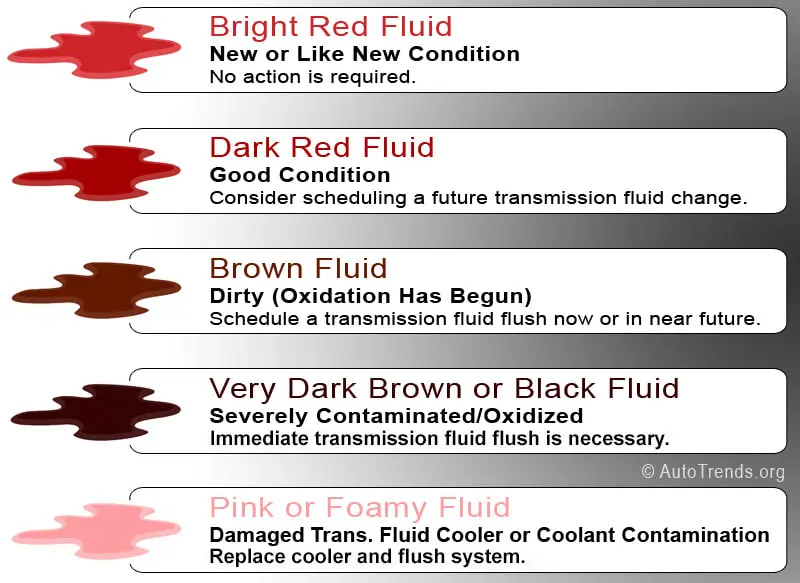
In some cases, degraded fluid is a symptom — not the root cause. Internal wear, contamination, or mechanical issues may require deeper inspection before service decisions are made.
That’s why professional evaluation matters. Fluid changes should always be done with a clear understanding of the transmission’s condition, not as a blind fix.
Schedule Transmission Service in Berry Hill, TN
If your transmission isn’t shifting the way it used to, or if fluid condition raises concerns, it’s time for a professional inspection.
A trusted local shop like Music City Auto Repair – Berry Hill provides accurate transmission inspections and service recommendations for drivers throughout Nashville, Franklin, Antioch, and surrounding areas.
👉 Schedule transmission service in Berry Hill
https://musiccityautorepairberryhill.com/transmission-repair/