Category: Exhaust & Emissions Services

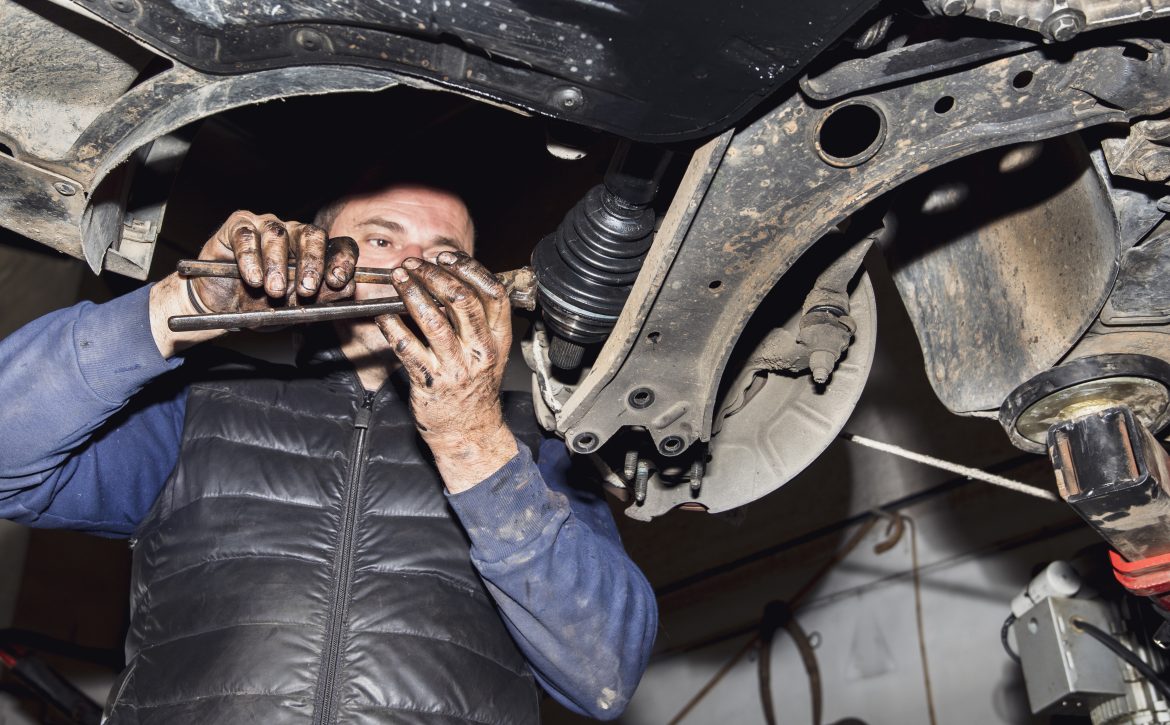
Worker fixing drive shaft car of car in suspension

Failed Emissions Test

Failed Emissions Test?

What Nashville Drivers Need to Fix — Fast
You waited in line.
The test ran.
Then you saw it.

Fail.

For drivers in Berry Hill, Nashville, Brentwood, Antioch, and South Nashville, failing an emissions test is frustrating — but it’s also a clear signal that something in the exhaust or emissions system isn’t doing its job. The good news? Most failures are fixable when diagnosed correctly.

The bad news? Guessing costs more.
Why Vehicles Fail Emissions Tests

Emissions tests measure what comes out of your exhaust — not how the car feels while driving. That’s why many vehicles fail even when they seem to run fine.

Common reasons include:

  • faulty oxygen (O2) sensors

  • catalytic converter efficiency issues

  • EVAP system leaks

  • engine running too rich or too lean

  • active or stored trouble codes

If a monitor isn’t ready or a value is out of range, the test fails. Period.

The Check Engine Light (Even If It’s Off Now)

Here’s a surprise for many drivers.

A check engine light that was recently cleared can still cause an emissions failure. Readiness monitors need time and proper drive cycles to reset. Clearing codes without fixing the problem almost guarantees another fail.

If the light was on — or keeps coming back — diagnostics come first:
👉 Engine Diagnostics Service
https://musiccityautorepairberryhill.com/engine-diagnostics/

And if you want to understand how emissions trigger the light, start here:
👉 Check Engine Light On? Emissions Causes
https://musiccityautorepairberryhill.com/exhaust-emissions/check-engine-light-emissions-causes-nashville-tn/


Catalytic Converter Problems (A Big One)

Catalytic converters reduce harmful gases. When they degrade, emissions rise — and tests fail.

Symptoms may include:

  • failed emissions with no drivability issues

  • sulfur or “rotten egg” smell

  • reduced fuel efficiency

Catching converter issues early can prevent complete failure and higher costs.

EVAP System Leaks (Small Parts, Big Impact)

The EVAP system captures fuel vapors. Small leaks — cracked hoses, faulty purge valves, bad seals — commonly cause emissions failures.

These are often invisible and require smoke testing to identify accurately.


When Fuel System Problems Cause Emissions Failures

If the engine burns too much fuel, emissions rise. That can push otherwise healthy emissions components out of compliance.

Fuel-related causes often include injector issues, pressure problems, or sensor faults:
👉 Fuel System Repair
https://musiccityautorepairberryhill.com/fuel-system-repair/

If your MPG dropped before the failure, that’s a strong clue.

Why Nashville Driving Makes Failures More Likely

Short trips.
Traffic.
Heat and humidity.

Driving patterns around Berry Hill and South Nashville prevent systems from completing readiness cycles and accelerate wear on sensors and converters. That’s why emissions failures often appear unexpectedly — especially before renewals.


Why Retesting Without Repair Usually Fails Again

Retesting without fixing the cause is a gamble.

If the issue isn’t resolved:

  • the failure repeats

  • more monitors flag

  • repair costs increase

The fastest path to a pass is proper diagnosis first.


Get Emissions Repair in Berry Hill, TN

If your vehicle failed an emissions test, professional diagnostics can identify exactly what caused the failure — and what it will take to pass on the next attempt.

A trusted local shop like Music City Auto Repair – Berry Hill provides expert exhaust and emissions diagnostics and repair for drivers throughout Berry Hill, Nashville, Brentwood, Antioch, and surrounding areas.

👉 Schedule exhaust & emissions service today
https://musiccityautorepairberryhill.com/exhaust-emissions/

FAQ — Failed Emissions Test

Why did my car fail emissions even though it drives fine?

Emissions tests measure exhaust output and system readiness, not drivability. Many failures don’t cause noticeable driving symptoms.

Can I just clear the check engine light and retest?

You can — but it usually fails again. Readiness monitors must reset, and the underlying issue must be repaired first.

Is a failed emissions test expensive to fix?

It depends on the cause. Sensor or EVAP issues are often affordable. Ignoring the problem can lead to costly catalytic converter damage.

How long does it take to fix an emissions failure?

Some repairs are same-day. Others require testing, parts, and drive cycles. Proper diagnosis saves time overall.

Will fuel system issues cause emissions failure?

Yes. Running rich or lean can push emissions out of range and fail the test.
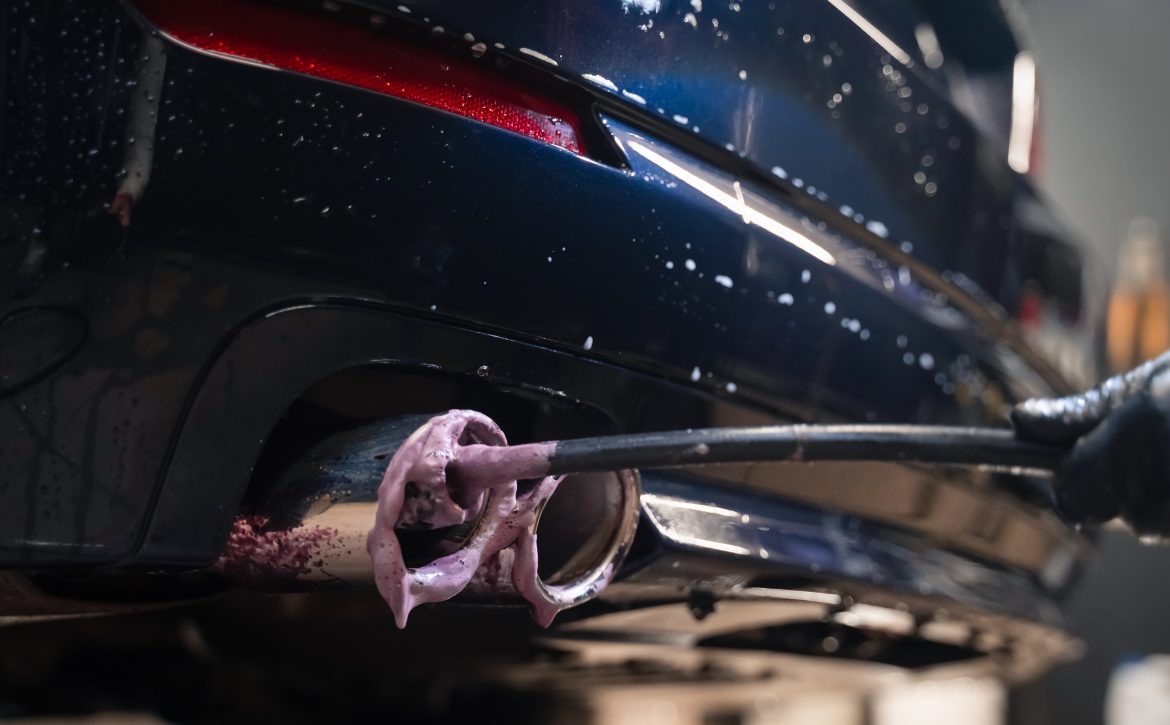
Detailing worker cleans exhaust pipe of car. Cleaning auto muffler with foam and brush. Detail car wash

Rotten Egg Smell From Exhaust

Rotten Egg Smell From Exhaust?

A Warning Sign Nashville Drivers Should Never Ignore

You smell it at a stoplight.
Or when you park.
A strong, sulfur-like odor.

That rotten egg smell isn’t normal — and it’s not something to ignore.

For drivers in Berry Hill, Nashville, Brentwood, Antioch, and South Nashville, this smell is one of the clearest signs of an emissions system problem, often involving the catalytic converter or fuel mixture.

And when it shows up, damage may already be happening.

Why Exhaust Can Smell Like Rotten Eggs

That smell comes from sulfur compounds in fuel.

Under normal conditions, the catalytic converter converts those compounds into harmless gases. When the system isn’t working correctly, sulfur passes through — and the smell becomes noticeable.

In short:
The emissions system isn’t doing its job.

Catalytic Converter Problems (Most Common Cause)

The catalytic converter is designed to clean up exhaust gases. When it becomes overloaded, contaminated, or damaged, sulfur smells escape instead of being neutralized.

Common signs include:

  • rotten egg or sulfur smell

  • reduced engine performance

  • check engine light

Left unchecked, a failing converter can overheat or clog — leading to much bigger repairs.


Running Too Rich (Excess Fuel)

Sometimes the converter isn’t the original problem.

If the engine is burning too much fuel, excess sulfur enters the exhaust. Even a healthy catalytic converter can’t keep up.

Fuel-related causes often include:

  • failing oxygen sensors

  • injector problems

  • fuel pressure issues

That’s why emissions and fuel systems are often diagnosed together:
👉 Fuel System Repair
https://musiccityautorepairberryhill.com/fuel-system-repair/

When the Check Engine Light Is On Too

Many drivers notice the smell before or after the check engine light appears.

That’s no coincidence.

Sensors detect abnormal exhaust chemistry and trigger warnings — often before drivability changes are obvious. If the light is on, testing should happen immediately:
👉 Engine Diagnostics Service
https://musiccityautorepairberryhill.com/engine-diagnostics/

This guide explains how emissions faults trigger warning lights:
👉 Check Engine Light On? Emissions Causes
https://musiccityautorepairberryhill.com/exhaust-emissions/check-engine-light-emissions-causes-nashville-tn/


Why Nashville Driving Makes This More Common

Short trips.
Heavy traffic.
Heat.

Driving around Berry Hill and South Nashville often prevents the exhaust system from reaching full operating temperature. That allows sulfur buildup and accelerates emissions wear — especially in older vehicles.

Why You Shouldn’t Ignore the Smell

That odor isn’t just unpleasant.Ignoring it can lead to:

catalytic converter failure
reduced fuel economy
failed emissions tests
expensive exhaust repairs

What starts as a smell often ends as a major repair.


Get Emissions Testing in Berry Hill, TN

If your vehicle smells like rotten eggs — even occasionally — professional testing can identify whether the catalytic converter, fuel system, or sensors are causing the issue.

A trusted local shop like Music City Auto Repair – Berry Hill provides expert exhaust and emissions diagnostics and repair for drivers throughout Berry Hill, Nashville, Brentwood, Antioch, and surrounding areas.

👉 Schedule exhaust & emissions service today
https://musiccityautorepairberryhill.com/exhaust-emissions/

FAQ — Rotten Egg Smell From Exhaust

What causes a rotten egg smell from my car?

The most common cause is a failing catalytic converter or an engine running too rich, allowing sulfur compounds to pass through the exhaust.

Is it safe to drive if my car smells like rotten eggs?

Short trips may be possible, but it’s not recommended. Continued driving can damage the catalytic converter and increase repair costs.

Can bad gas cause a sulfur smell?

Occasionally, poor-quality fuel can contribute — but persistent smells usually indicate a mechanical or emissions issue.

Will this cause my car to fail emissions testing?

Yes. A sulfur smell often signals emissions system failure and can lead to failed inspections.

Can fuel system problems cause this smell?

Yes. Excess fuel delivery can overwhelm the catalytic converter and cause sulfur odors.

Vehicles Pollution Theme

Loud Exhaust Noise Suddenly

Loud Exhaust Noise Suddenly?

What Nashville Drivers Are Hearing — And Why It Matters

It wasn’t loud yesterday.
Now it is.

You start the car and immediately notice it.
A roar.
A rattle.
A deep growl that wasn’t there before.

For drivers in Berry Hill, Nashville, Brentwood, Antioch, and South Nashville, a sudden loud exhaust noise is a clear sign that something in the exhaust system has failed — often abruptly.

And it’s not just a noise problem.

Why Exhaust Noise Changes So Suddenly

Exhaust systems don’t usually get louder slowly.
They fail all at once.

Heat, corrosion, road debris, and vibration weaken components over time. Then one day — a pipe cracks, a clamp breaks, or a component separates — and the sound changes instantly.

That sudden change is your warning.

Exhaust Leak or Broken Pipe

A cracked or broken exhaust pipe is one of the most common causes of sudden noise.

When exhaust escapes before reaching the muffler, sound control disappears. The noise is often louder during acceleration and may sound harsh or raspy.

Leaks can also allow exhaust fumes to enter the cabin — which is a safety concern.

Muffler or Resonator Failure

Mufflers and resonators are designed to control sound. When internal baffles break or corrosion creates holes, noise increases dramatically.

Common signs include:

  • deeper, booming sound

  • rattling under the vehicle

  • louder startup noise

These failures are extremely common in vehicles driven frequently around South Nashville and Antioch, where moisture and road conditions accelerate corrosion.

Loose or Broken Exhaust Hangers

Sometimes the system isn’t broken — it’s no longer secured.

Broken hangers allow the exhaust to shift, vibrate, or bang against the vehicle. This often causes rattling noises at idle and louder sounds when driving over bumps.


When Loud Exhaust Comes With a Check Engine Light

Many drivers are surprised by this.

A loud exhaust noise can trigger a check engine light if sensors detect abnormal exhaust flow or oxygen readings. That’s why noise and emissions problems often appear together.

If the light is on, diagnostics should come first:
👉 Engine Diagnostics Service
https://musiccityautorepairberryhill.com/engine-diagnostics/

For emissions-related warning lights, this guide explains the connection:
👉 Check Engine Light On? Emissions Causes
https://musiccityautorepairberryhill.com/exhaust-emissions/check-engine-light-emissions-causes-nashville-tn/

Why Ignoring Exhaust Noise Is Risky

A loud exhaust isn’t just annoying.

Ignoring it can lead to:

  • exhaust fumes entering the cabin

  • reduced fuel efficiency

  • sensor and catalytic converter damage

  • failed emissions tests

What starts as noise often becomes a bigger emissions problem.


Why Nashville Driving Makes Exhaust Problems Common

Heat cycles weaken metal.
Short trips trap moisture.
Traffic increases vibration.

Driving patterns around Berry Hill and South Nashville accelerate exhaust corrosion — especially on vehicles that don’t get long highway runs.

That’s why exhaust noise problems often appear without warning.

Get Exhaust Repair in Berry Hill, TN

If your vehicle suddenly sounds louder, deeper, or harsher than normal, professional inspection can identify the issue before it becomes unsafe or expensive.

A trusted local shop like Music City Auto Repair – Berry Hill provides expert exhaust and emissions diagnostics and repair for drivers throughout Berry Hill, Nashville, Brentwood, Antioch, and surrounding areas.

👉 Schedule exhaust & emissions service today
https://musiccityautorepairberryhill.com/exhaust-emissions/


FAQ — Loud Exhaust Noise

Why did my exhaust suddenly get loud?

Most sudden exhaust noise is caused by a broken pipe, cracked muffler, or failed exhaust component. These often fail abruptly due to corrosion or heat stress.

Is it safe to drive with a loud exhaust?

Short distances may be possible, but it’s not recommended. Exhaust leaks can allow harmful fumes into the cabin and may damage sensors or the catalytic converter.

Can a loud exhaust cause a check engine light?

Yes. Exhaust leaks can affect oxygen sensor readings and trigger emissions-related warning lights.

Is a loud exhaust expensive to fix?

It depends on the cause. Loose components or small leaks are often affordable. Waiting too long can turn a minor repair into a major one.

Will a loud exhaust cause my car to fail emissions testing?

Yes. Exhaust leaks and emissions faults commonly lead to failed inspections.

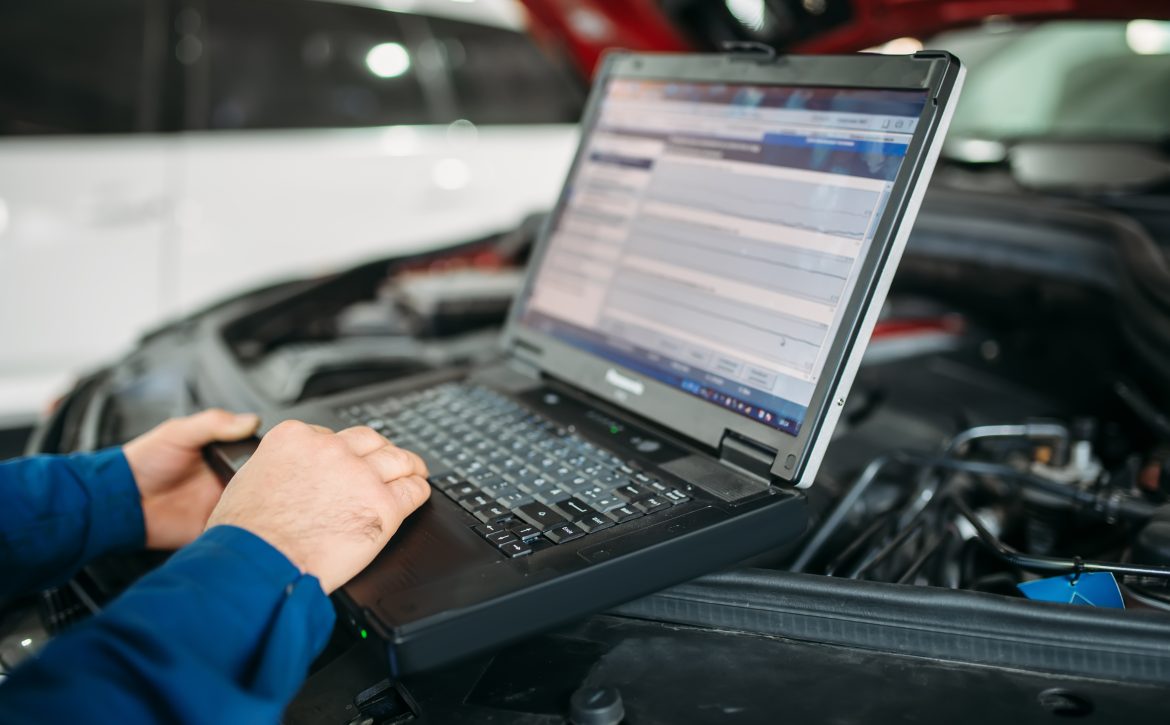
Computer diagnostics of the car in auto-service

Check Engine Light On? Emissions Causes

Common Emissions Causes Nashville Drivers Shouldn’t Ignore

Check Engine Light On?

The light comes on.
The car still drives fine.
So you keep going.

For drivers in Berry Hill, Nashville, Brentwood, Antioch, and South Nashville, this is one of the most common — and costly — mistakes. The check engine light is often tied directly to emissions system problems, even when no other symptoms are obvious.

And ignoring it can turn a small fix into a big repair.

Why Emissions Problems Trigger the Check Engine Light

Modern vehicles constantly monitor emissions output. Sensors track exhaust gases, fuel mixtures, and catalytic converter efficiency. When readings fall outside expected limits, the check engine light turns on.

That doesn’t always mean the car will stall or run rough.
It means the system detected a compliance or efficiency issue.

Oxygen Sensor Failures (Very Common)

Oxygen (O2) sensors measure how much oxygen is in the exhaust. When they fail, the engine can’t adjust fuel delivery correctly.

Common effects include:

  • check engine light with no drivability change

  • poor fuel economy

  • rough idle or hesitation over time

O2 sensor problems often overlap with fuel efficiency complaints:
👉 Fuel System Repair
https://musiccityautorepairberryhill.com/fuel-system-repair/

Catalytic Converter Issues

The catalytic converter reduces harmful emissions. When it degrades or becomes restricted, emissions rise — and the check engine light usually follows.

Symptoms may include:

  • sulfur or “rotten egg” smell

  • sluggish performance

  • failed emissions tests

Catching this early can prevent complete converter failure.

EVAP System Leaks (Gas Cap Isn’t Always the Answer)

The EVAP system prevents fuel vapors from escaping. Small leaks — cracked hoses, faulty valves, or seal failures — commonly trigger the check engine light.

Sometimes it really is the gas cap.
Often, it isn’t.

Without testing, guessing leads to repeat lights and frustration.


When the Car Feels Fine (But Isn’t)

This is the tricky part.

Many emissions faults don’t affect drivability right away. The car may feel normal while quietly:

  • burning more fuel

  • stressing the catalytic converter

  • risking inspection failure

That’s why emissions-related lights should never be ignored.

If the light is on, diagnostics come first:
👉 Engine Diagnostics Service
https://musiccityautorepairberryhill.com/engine-diagnostics/

Why Nashville Driving Makes Emissions Issues More Likely

Short trips.
Stop-and-go traffic.
Heat and humidity.

Driving patterns around Berry Hill and South Nashville prevent exhaust systems from reaching optimal operating temperatures. Over time, sensors foul, moisture builds up, and emissions components wear faster.


Why Clearing the Light Isn’t a Fix

Clearing the check engine light only resets the warning.
It doesn’t repair the cause.

If the underlying issue remains, the light will return — often with more severe consequences, like catalytic converter damage or failed emissions tests.


Get Check Engine Light Diagnosis in Berry Hill, TN

If your check engine light is on — even if the car seems fine — professional testing can identify whether emissions components are failing and prevent larger repairs.

A trusted local shop like Music City Auto Repair – Berry Hill provides expert exhaust and emissions diagnostics for drivers throughout Berry Hill, Nashville, Brentwood, Antioch, and surrounding areas.

👉 Schedule exhaust & emissions service today
https://musiccityautorepairberryhill.com/exhaust-emissions/