A Warning Sign Nashville & Brentwood Drivers Shouldn’t Ignore
What It Means When Your Transmission Is Slipping
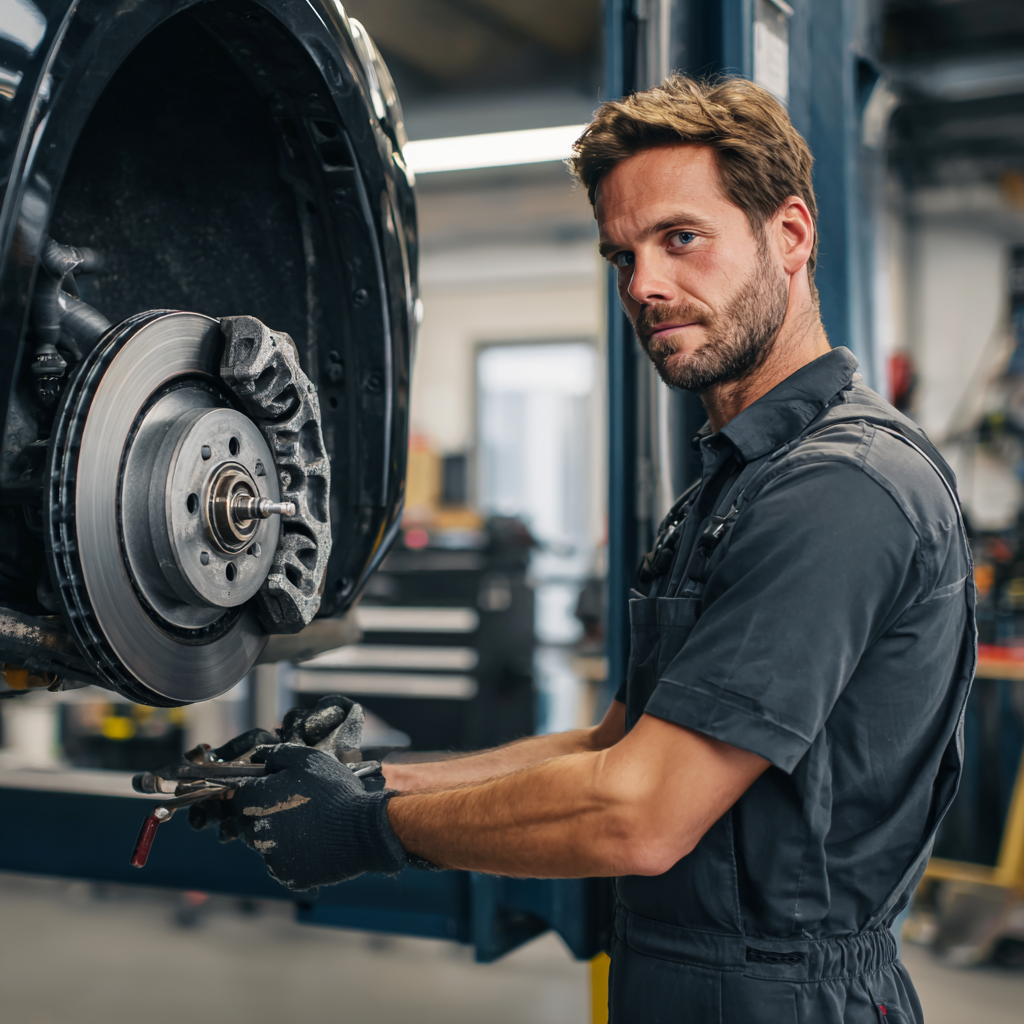
Transmission slipping is one of those problems drivers often feel before they fully understand. The engine revs, but the vehicle doesn’t accelerate the way it should. Gears hesitate, then suddenly catch. Sometimes it feels subtle. Other times, it’s unmistakable.
If you’re driving in Nashville, Brentwood, Antioch, or Green Hills, transmission slipping is never something to ignore. It usually means internal components are struggling to maintain proper engagement — and when that happens, damage can escalate faster than most people expect.
What Does “Transmission Slipping” Actually Feel Like?
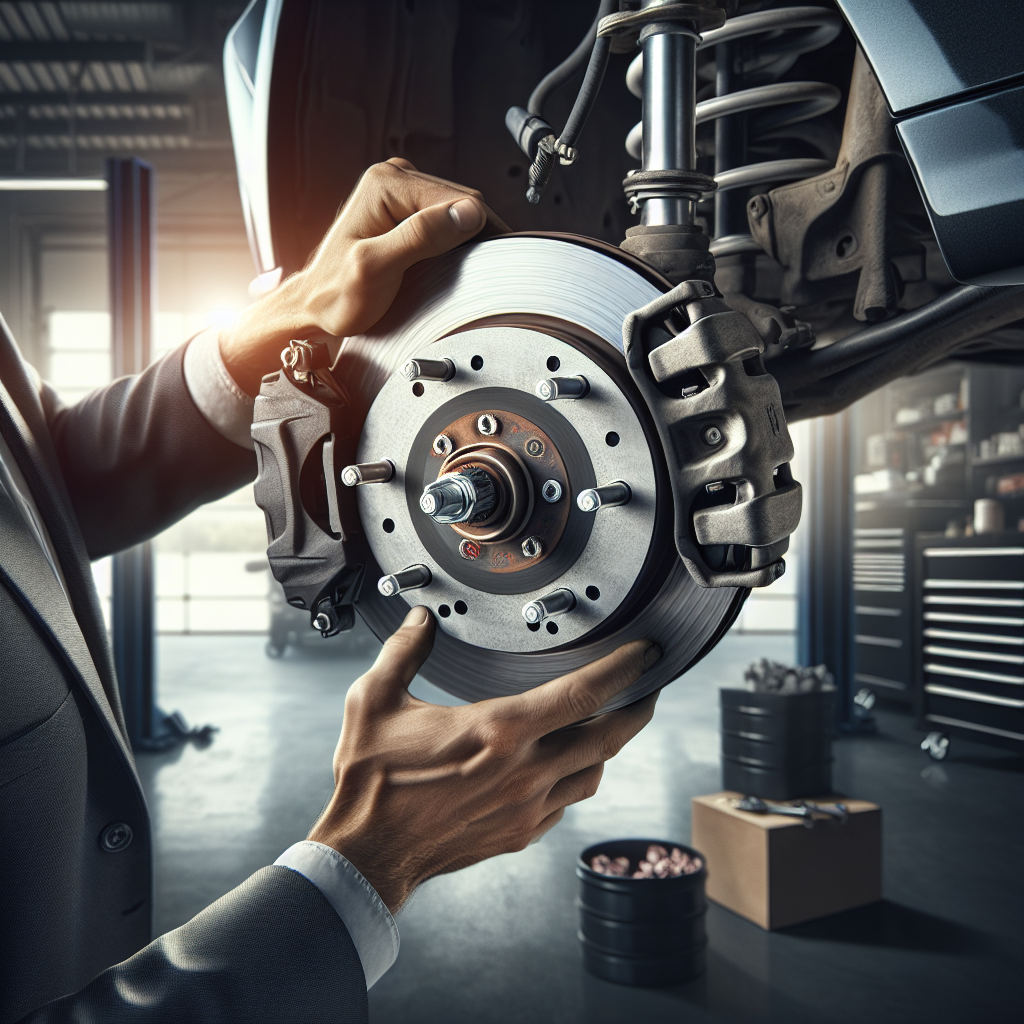
When a transmission is slipping, it’s failing to stay fully engaged in the selected gear. You might notice the RPMs climbing without a matching increase in speed, or a sudden surge after a delay. In automatic vehicles, shifts can feel soft, delayed, or inconsistent. In some cases, the transmission may even drop out of gear momentarily before re-engaging.
These symptoms often show up more clearly during acceleration, hill climbs, or stop-and-go traffic — conditions common throughout South Nashville and Antioch.
Why Transmission Slipping Happens
Transmission slipping almost always points to a mechanical or hydraulic issue inside the system. Low or contaminated transmission fluid is one of the most common causes. Fluid that’s old, dirty, or leaking can’t create the pressure needed to keep internal clutches engaged.
Other causes include worn clutch packs, failing solenoids, damaged bands, or internal seals that no longer hold pressure. In modern vehicles, electronic control issues can also play a role, especially when sensors or modules stop communicating properly.
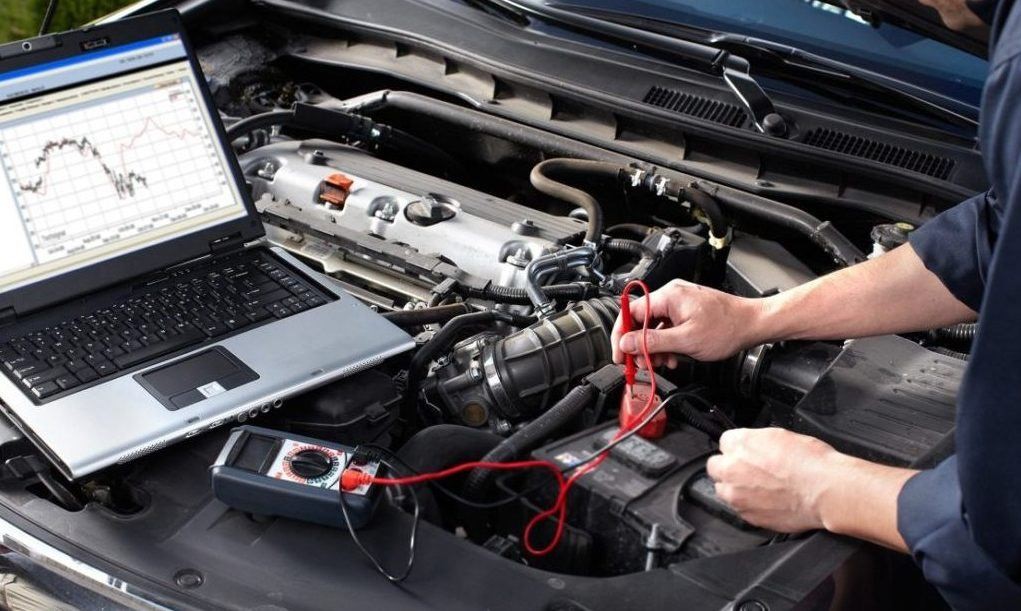
When warning lights accompany slipping, diagnostics are critical:
👉 Engine Diagnostics Service
https://musiccityautorepairberryhill.com/engine-diagnostics/
Why Slipping Gets Worse Over Time
Transmission slipping is rarely stable. It usually gets progressively worse.
Each slip creates heat.
Heat damages fluid.
Damaged fluid accelerates wear.
That cycle continues until internal components fail completely. What could have been a manageable repair often turns into a major rebuild or full replacement when ignored.
Can You Keep Driving With a Slipping Transmission?
Short answer: you shouldn’t.
Driving with a slipping transmission increases heat and wear every mile you travel. Even short trips around Green Hills or Brentwood can accelerate internal damage if the issue is already present.
If you’re also noticing fluid spots under the vehicle, this related guide helps clarify the risk:
👉 Can You Drive With a Transmission Leak?
https://musiccityautorepairberryhill.com/transmission-repair/can-you-drive-with-a-transmission-leak-nashville-tn/
When to Get Transmission Service
If slipping occurs more than once, it’s time for a professional inspection. Waiting for the problem to “settle down” almost never works — and often costs significantly more in the long run.
A trusted local shop like Music City Auto Repair – Berry Hill provides accurate transmission diagnostics and honest repair recommendations for drivers across Nashville, Antioch, Brentwood, and surrounding areas.
👉 Schedule transmission repair in Berry Hill
https://musiccityautorepairberryhill.com/transmission-repair/